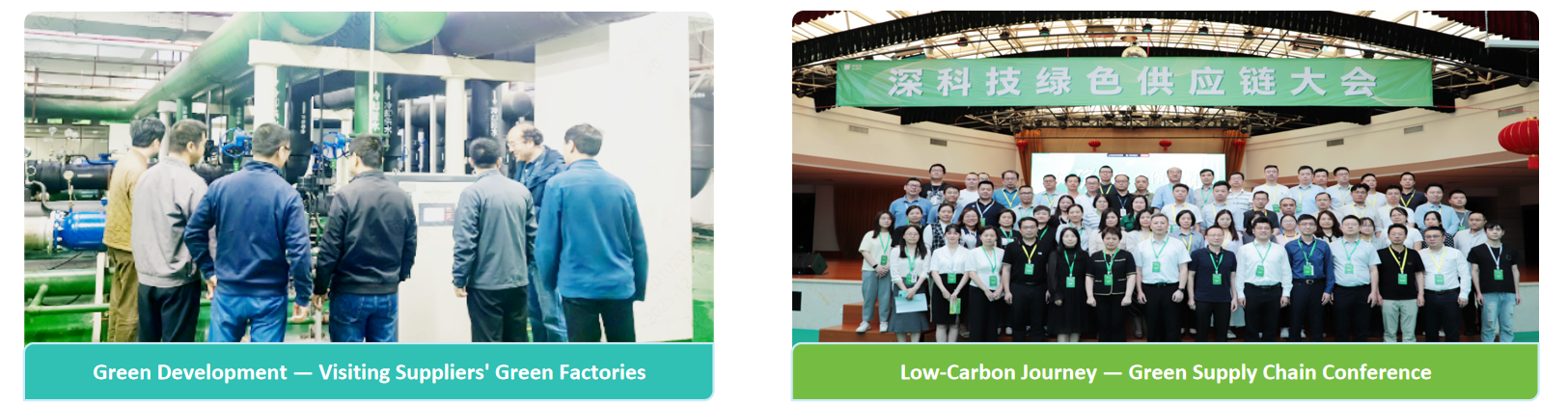
◇ Embrace manufacturing practices that emphasize low consumption, low emissions, high efficiency, and high profitability.
◇ Utilize energy-efficient equipment and implement clean production technologies to minimize environmental impact.
◇ Continuously optimize resource utilization and proactively incorporate eco-friendly materials in design to reduce waste and emissions.
◇ Strive to build a green supply chain and achieve low-carbon development of the value chain.
| Energy intensity | Decrease by 9.83% |
| Water consumption intensity | Decrease by 8.29% |
| Energy-saving projects | 94 projects |
| Carbon emissions coverage for Scopes 1, 2 and 3 across the entire Kaifa group | 100% |
| Kaifa Dongguan obtains national green factory certification, Kaifa Chengdu obtains provincial green factory certification | 100% |
| Percentage of using renewable energy in major factories | 10.16% |
| Renewable Energy Usage | 30.86million kilowatt-hours |
| Environmental Investment | 21.78million yuan |
| Energy intensity | Decrease by 5.06% |
| Water consumption intensity | Decrease by 5.40% |
| Energy-saving projects | 134 projects |
| Carbon emissions coverage for Scopes 1, 2 and 3 across the entire Kaifa group | 100% |
| Kaifa Precision obtains national green factory certification, Kaifa Chengdu obtains national green factory certification, Kaifa Suzhou obtains City-level green factory certification | 100% |
| Percentage of using renewable energy in major factories | 15.93% |
| Renewable Energy Usage | 59.76million kilowatt-hours |
| Environmental Investment | 19.74million yuan |
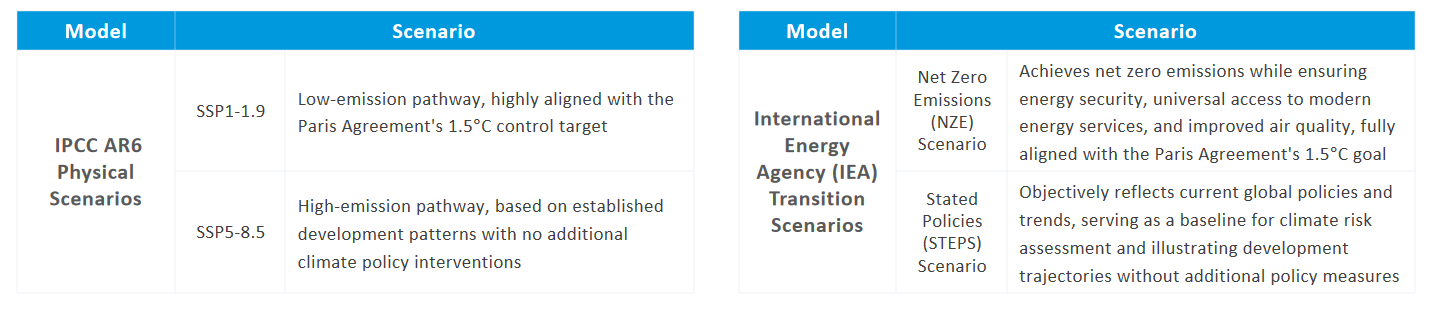
We systematically implement climate-related disclosures in accordance with the Task Force on Climate-related Financial Disclosures (TCFD) framework requirements, comprehensively identifying and evaluating opportunities and potential risks associated with climate change mitigation. The Strategy and Sustainable Development Committee closely monitors these potential risks, ensuring appropriate actions are taken to mitigate climate change based on proper monitoring and measurement, thereby steadily advancing climate response efforts.Guided by the Science Based Targets initiative (SBTi) methodology, the company has established a multidimensional scenario analysis and comparison system. This system integrates the Sustainable Development Scenario (SDS) and the Statement of Policy Scenario (STEPS) from the International Energy Agency (IEA) with the Scenario for Sustainable Development 5-8.5 (SSP5-8.5) and Scenario for Sustainable Development 1-1.9 (SSP1-1.9) from the Intergovernmental Panel on Climate Change (IPCC) Sixth Assessment Report (AR6). By analyzing physical and transition risks across these scenarios and assessing their potential financial implications, the company provides scientific support for climate strategy formulation, business portfolio optimization, and risk mitigation. The company commits to achieving net-zero emissions by 2060, aligning with the Paris Agreement's goal of “limiting the temperature increase to well below 2°C above pre-industrial levels and pursuing efforts to limit the temperature increase to 1.5°C.”
Meanwhile, transparent information is provided to investors and stakeholders for long-term success and positive contributions to global climate issues.
Kaifa has listed greenhouse gas management as one of the company's sustainability goals and included it in the company's performance evaluation indicators. In order to achieve the goal of net zero emissions, Kaifa strongly supports energy-saving and emission reduction projects, uses renewable energy, installs photovoltaics, and plans to reduce carbon emissions in Scope 1, Scope 2, and Scope 3 of the production, operation, and value chain through carbon offsetting, and purchasing carbon credits. In 2024, Kaifa achieved the greenhouse gas goals of increasing renewable energy usage by 2% annually, reducing greenhouse gas emissions intensity by 2% annually, and promoting 50 emission reduction projects annually.
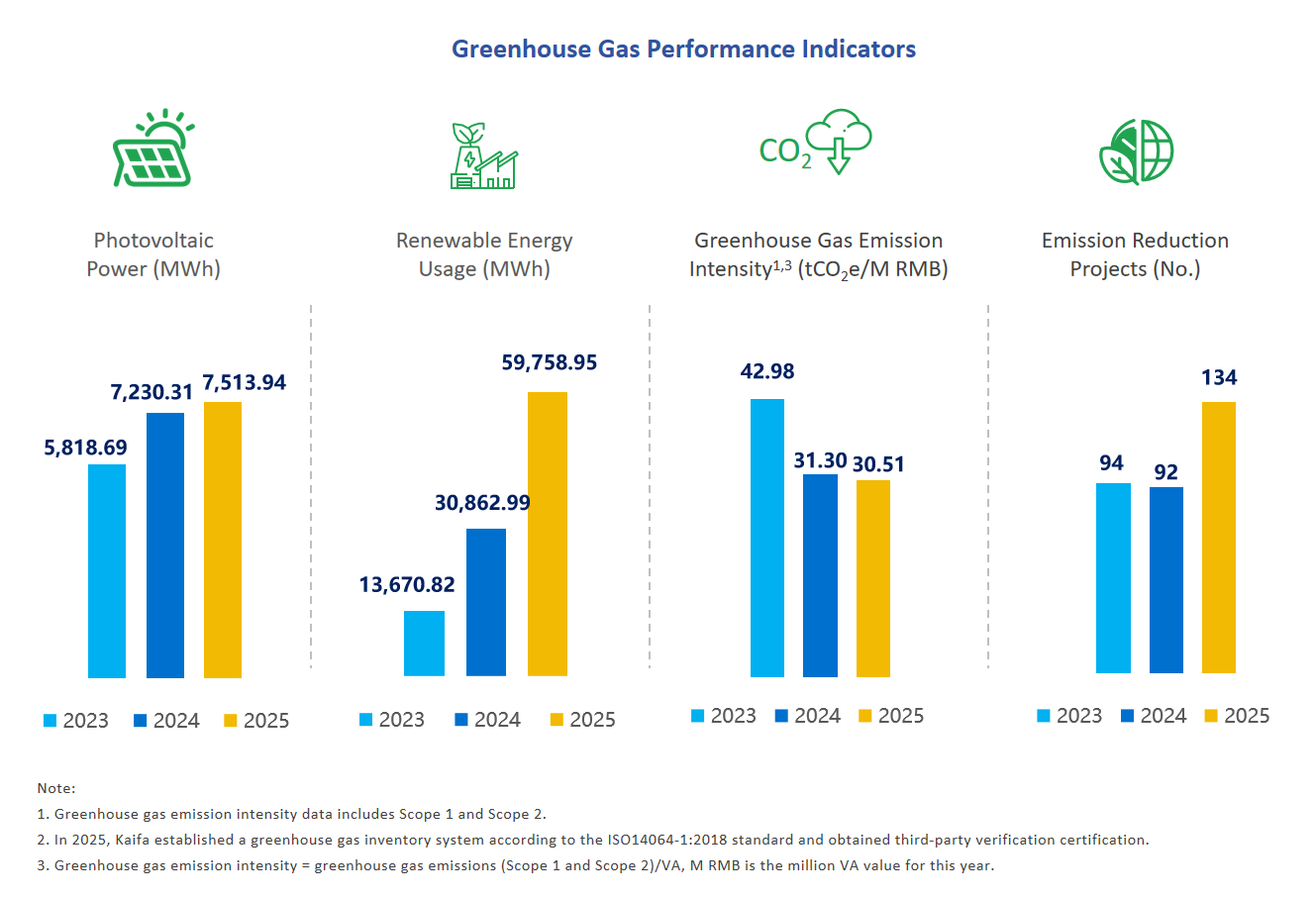
The gases included in the GHG emission data include carbon dioxide (CO2), methane (CH4), nitrous oxide (N2O) and hydrofluorocarbons (HFCs), perfluorocarbons (PFCs), sulfur hexafluoride (SF6) and nitrogen trifluoride (NF3).
In 2024, Kaifa calculated the greenhouse gas emissions of the entire company according to the ISO14064-1 standard, and have obtained third-party certification for ISO14064-1:2018.
To enhance fairness and accuracy, the carbon emissions data of Kaifa and its subsidiaries are certified by third-party organization.View Certification.
A total of 7 photovoltaic power station factories are constructed, with a total installed capacity of 8.9077MWp.

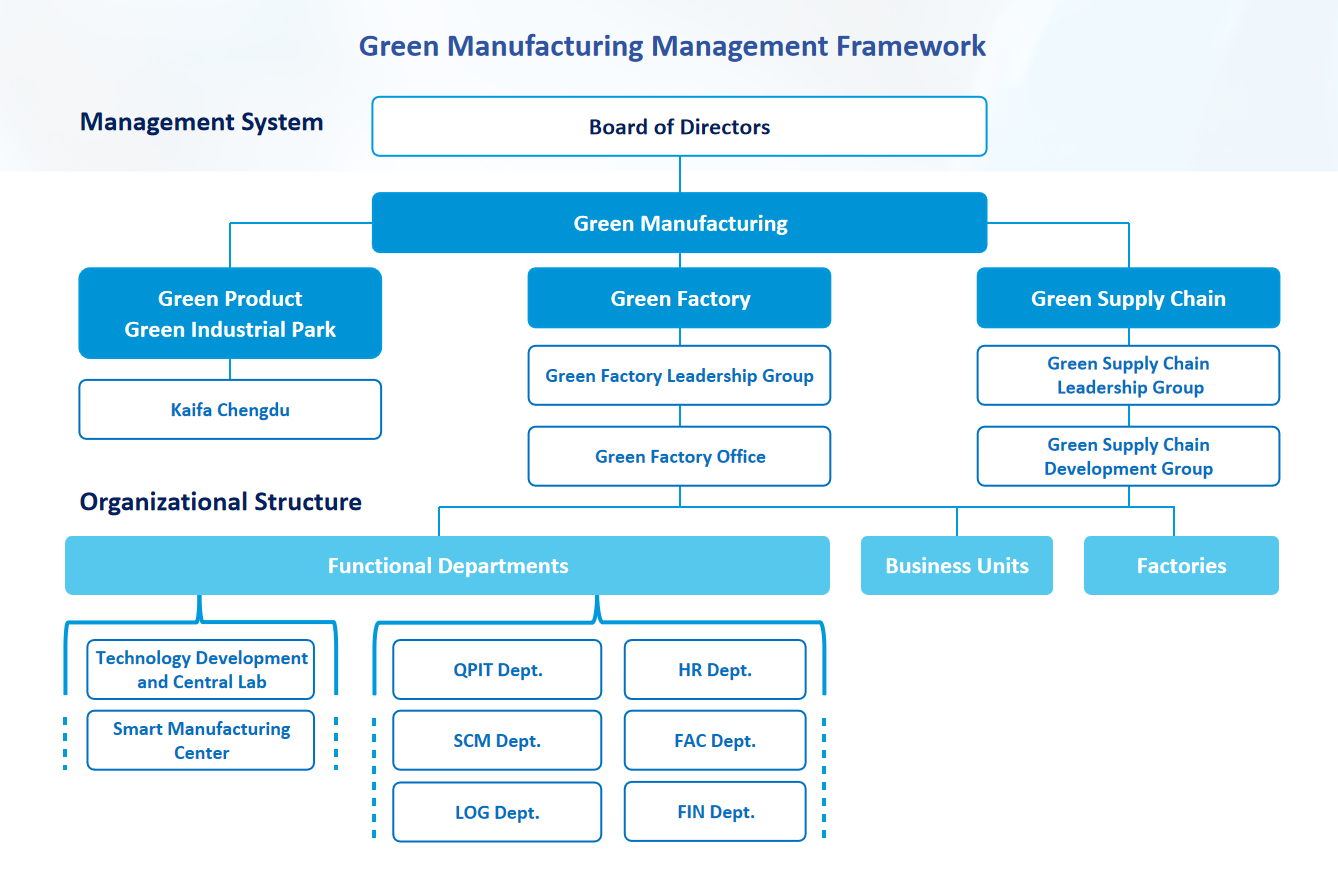
Kaifa grounded in the company's green transformation needs, innovatively established a comprehensive green manufacturing management system spanning the entire chain. This system, starting with green products, building on green factories, empowering by green parks, and extending through green supply chains, covers R&D, design, production, park operations, and supply chain management, achieving a leap from "point-by-point governance" to "systematic collaboration." Internally, green design, clean production, and energy efficiency management refine energy conservation, enhance management capabilities, and reduce operational costs. Externally, the continuously improving green manufacturing standards precisely meet customers' stringent green performance requirements, becoming a key competitive edge for expanding high-end markets and broadening revenue boundaries.
Starting from intelligent metering products, Kaifa continues to build a product matrix with global green competitiveness. Smart power meter: significantly reduced power consumption and raw material consumption. Intelligent gas meter: precise measurement, reducing losses. Smart water meter: extended lifespan and reduced carbon footprint throughout its entire lifecycle. Product ecological design and process innovation: Innovatively propose the principles of "material reduction, non-toxicity, easy disassembly, and recyclability". Through process innovation such as edge-free design, materials and waste reduction, cost reduction, and efficiency development, we integrate green concepts throughout the entire life cycle of product design, manufacturing, use, and disposal.
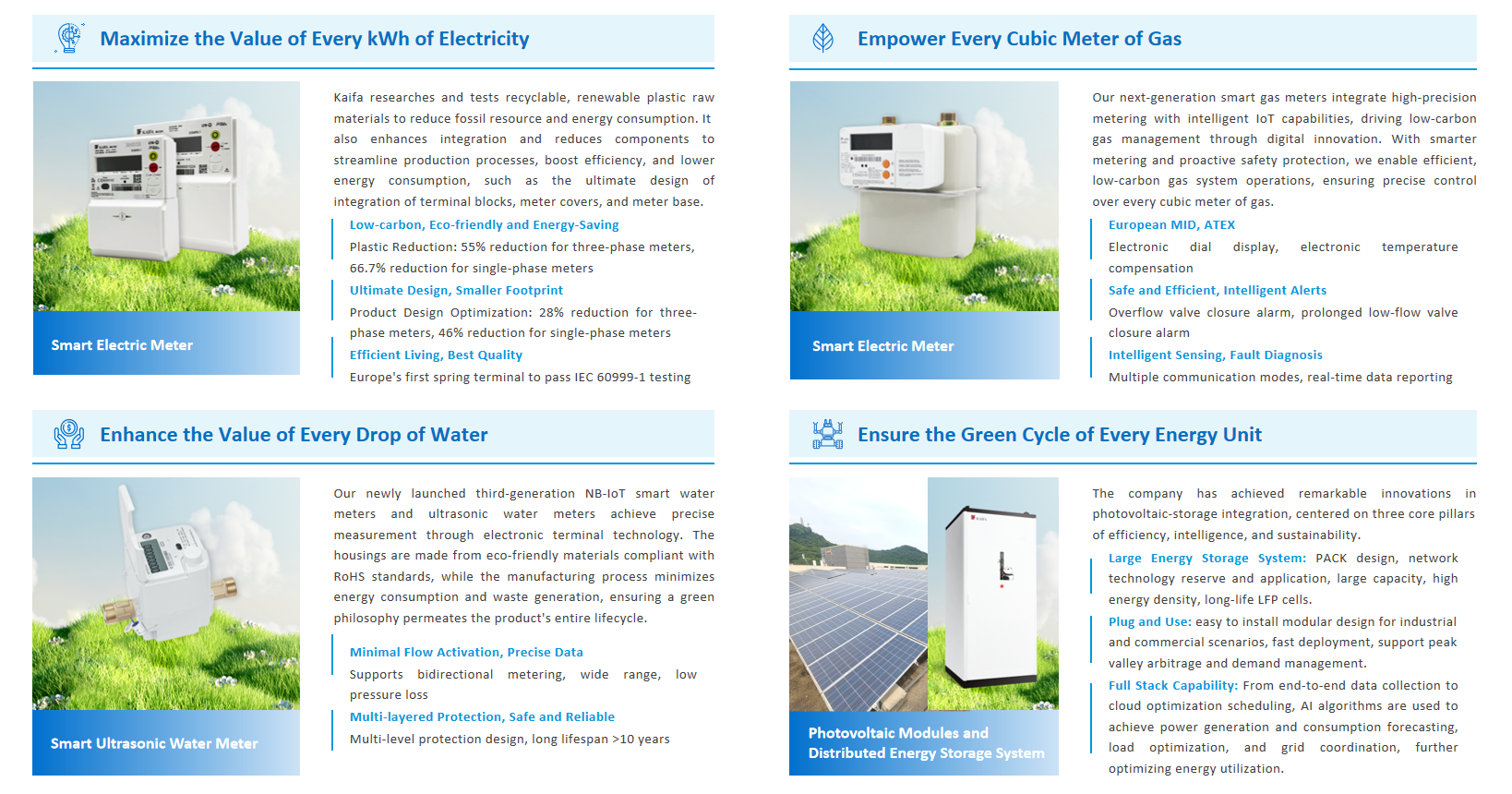
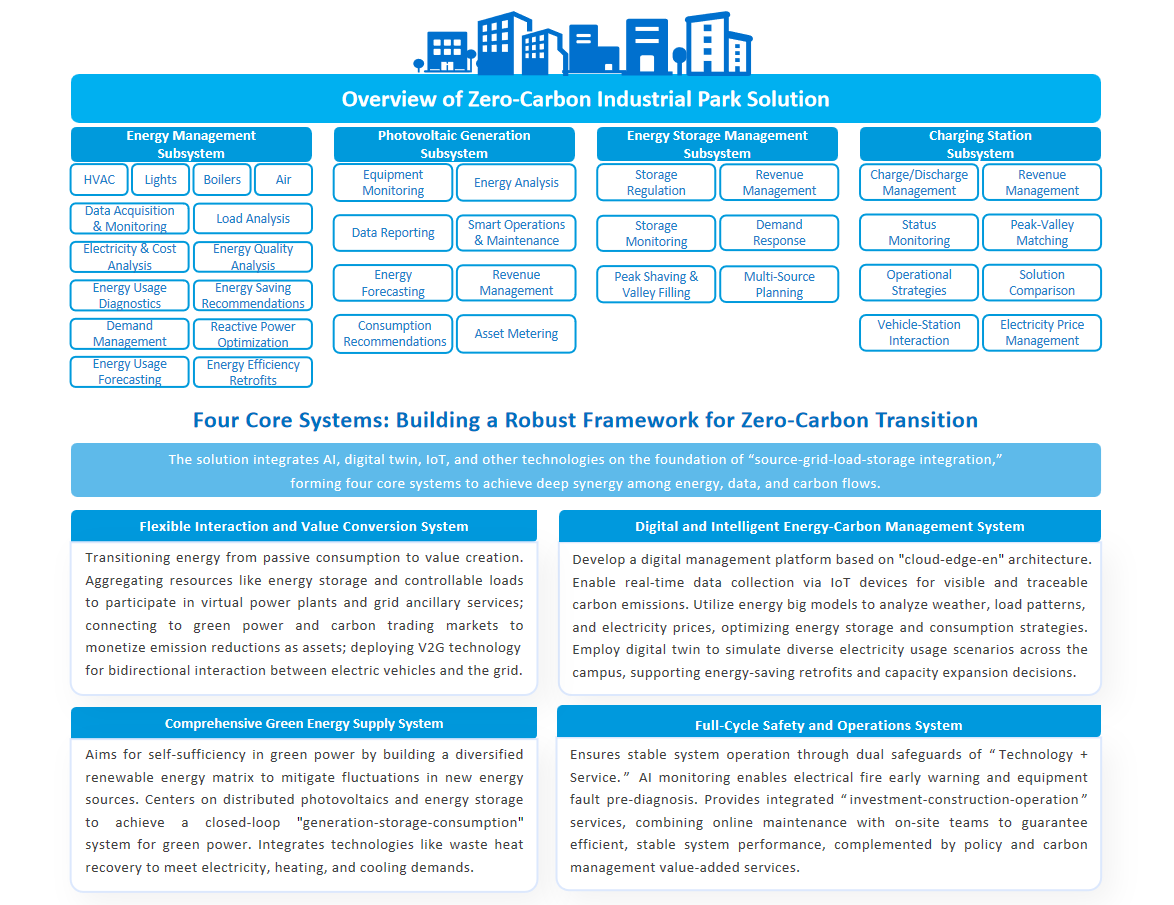
Kaifa relies on its own advantages in intelligent metering products, integrates AI and digital twin technology, innovatively creates a "zero carbon park solution", and lays out a new map of green industries. Zero carbon park solution: Improve energy efficiency and operational benefits, reduce energy costs, enhance power supply stability and load elasticity, achieve visible and traceable carbon emissions and increase the proportion of renewable energy, effectively promote energy conservation and carbon reduction, drive energy management from "passive consumption" to "active zero carbon", and provide a technically mature and economically feasible path for the green transformation of the manufacturing industry.
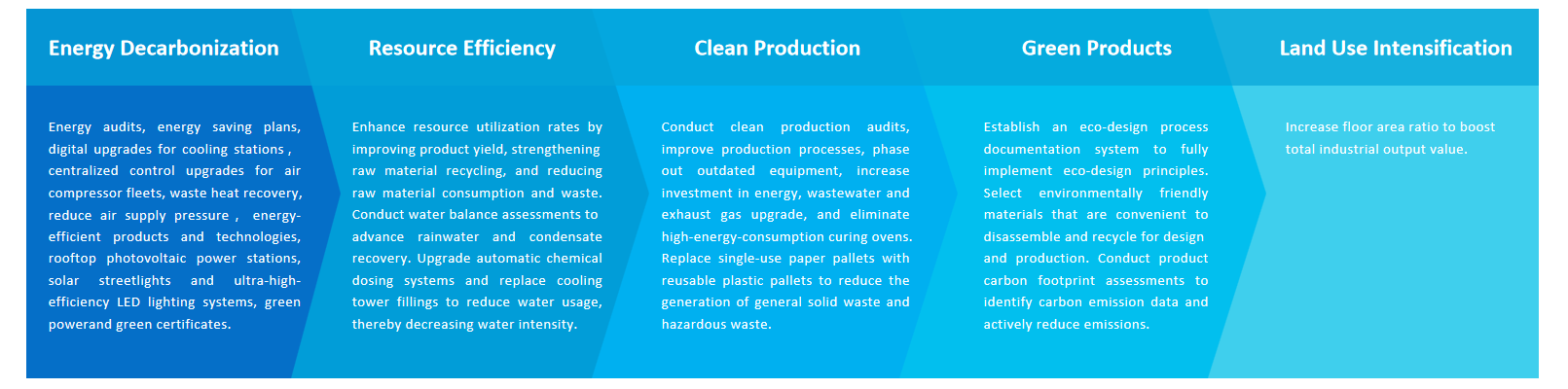
Kaifa takes "low-carbon energy, efficient resources, clean and purified production, green products, and land conservation" as its core, and promotes unified green factory construction standards. Key promotion of energy-saving and carbon reduction technological transformation: independently tackling key energy efficiency control technologies, relying on the "Energy Management Innovation Studio" for continuous innovation, and forming replicable technology self-research capabilities. Lean Six Sigma Energy Optimization: Breaking the traditional limitations of relying on equipment replacement, innovating through green belt projects, black belt projects, and frontline proposal mechanisms to achieve dual wheel drive of "technological energy conservation" and "management consumption reduction".Click to View the Green Factory Action.
Against the backdrop of continuously improving global green regulations and customer requirements, Kaifa positions "green supply chain" as the lifeline and essential option for enterprise development and survival. We adhere to "ecological design" as the source and "green supply chain platform" as the center, systematically integrating laws and regulations such as RoHS, REACH, HSF, company green product specifications, conflict minerals, climate and human rights risks, and transforming them into traceable and shareable "green systems", empowering suppliers to achieve "design is compliance, procurement is transparency". As a leading enterprise in the upstream and downstream industries, Kaifa leverages the influence of its chain owners and actively promotes energy conservation and carbon reduction throughout the entire industry chain. In 2025, Kaifa Dongguan actively builds a green supply chain management enterprise with national high standards, and has currently been awarded the title of "Guangdong Province Green Supply Chain Management Enterprise".